


Changing the Equity Framework in Africa: A Way Towards Value and Reasonableness.

Africa, a mainland wealthy in social variety and regular assets has long wrestled with difficulties inside its equity framework. From issues of defilement shortcomings to restricted admittance to lawful portrayal, the African equity framework has confronted a large number of issues. Be that as it may, as of late, critical endeavors have been made to change and revive the equity frameworks across the landmass. These changes intend to make a more impartial and fair legitimate climate that maintains law and order and safeguard the freedoms, everything being equal.
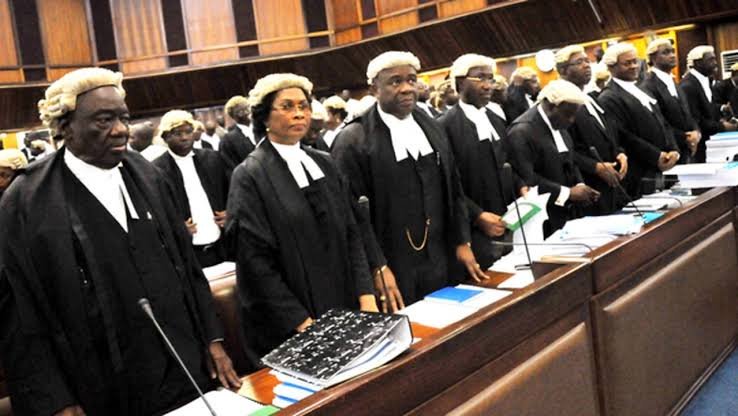
Challenges in the African Equity Framework
1. Debasement and Pay off: Perhaps one of the most squeezing challenges in African equity frameworks has been defilement inside the legal executive. This issue disintegrates trust in the overall set of laws, as residents dread that their cases won’t be chosen fairly but rather founded on monetary motivating forces.
2. Restricted Admittance to Equity: A huge part of Africa’s populace, particularly in country regions, faces obstructions in getting to lawful administrations and portrayals. This dissimilarity in admittance to equity excessively influences underestimated networks.
3. Accumulations and Postponements: Overburdened courts and broad case excesses have brought about deferred equity conveyance. Delayed legal actions can have extreme ramifications for the two casualties and the blamed.
4. Insufficient Legitimate Systems: A few African nations have obsolete lawful structures that don’t line up with current basic liberties norms. These systems can prompt shameful acts and block progress.
Changes and Drives
1. Against Debasement Measures: Numerous African countries are doing whatever it takes to battle defilement inside the equity framework. This incorporates authorizing moral norms, expanding straightforwardness, and giving fitting preparation to judges and lawful experts.
2. Legitimate Guide Administrations: To resolve the issue of restricted admittance to equity, different nations have extended lawful guide administrations, making legitimate portrayal more open to weak populaces.
3. Case The Board and Innovation: African nations are executing present-day case the executive’s frameworks and using innovation to decrease case overabundances and smooth out lawful cycles.
4. Legitimate Changes: Legitimate changes are being established to refresh and work on the legitimate structures, adjusting them to worldwide basic freedoms principles and guaranteeing equivalent assurance under the law.
5. Legal Preparation: Preparing programs for judges and legitimate experts are being upgraded to guarantee that they have the vital abilities and information to apportion equity decently and effectively.
Effect and Future Possibilities
These continuous changes in the African equity framework are as of now having a huge effect. Further developed straightforwardness, decreased debasement, and improved admittance to equity are adding to a more fair lawful climate. Be that as it may, challenges continue, and further endeavors are expected to make enduring changes.
The fate of the African equity framework holds guarantee as additional countries focus on maintaining law and order and safeguarding the freedoms of their residents. Coordinated efforts between legislatures, common society, and global associations will play a vital part in supporting these positive turns of events.
The reorganization of the equity framework in Africa is an essential step towards making a mainland where equity is open, defilement is limited, and law and order wins. While challenges remain, the obligation to these changes flags a more promising time to come when each African resident can look for equity and equity under the law. Africa’s excursion towards a fair and impartial equity framework is a demonstration of the flexibility and assurance of its kin and pioneers in its quest for an all-erver society.


Leave a Reply